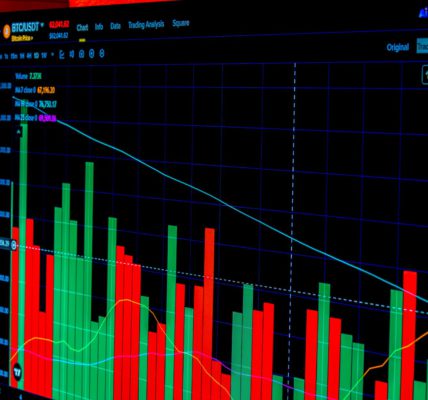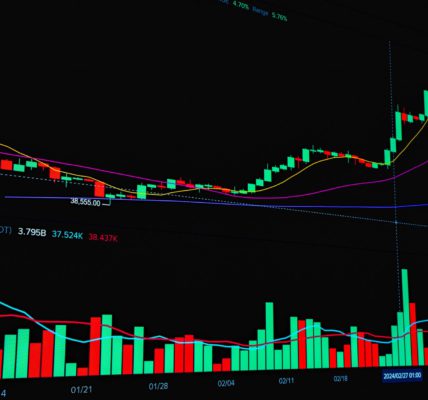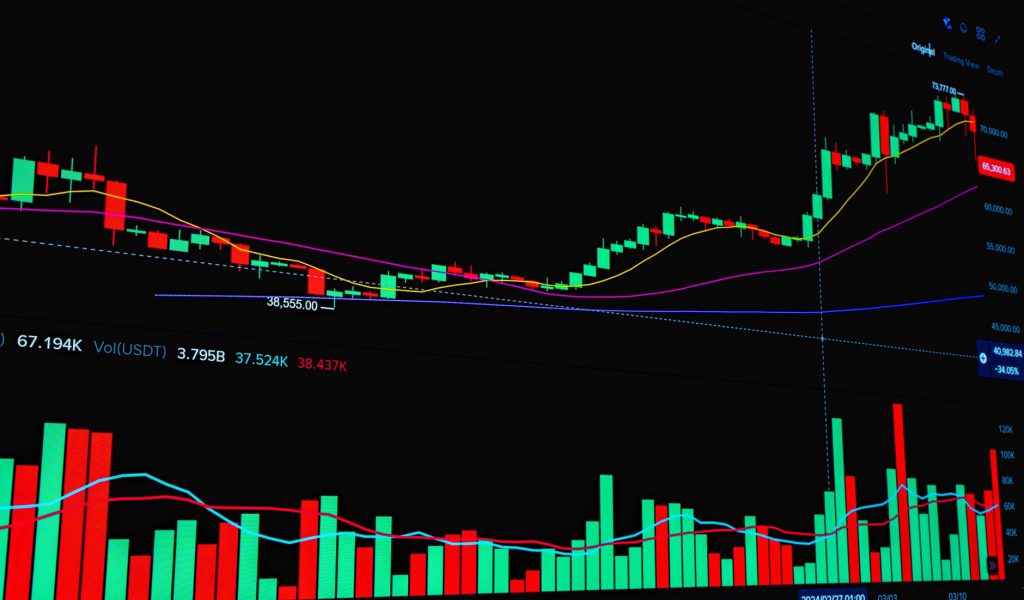

Stock Market Falling has become a significant concern for investors. Recent trends show Nifty dropping below 23,800 and Sensex falling over 500 points.
Understanding the Current Market Trends
The recent trends indicate a significant downturn in the stock market, raising concerns among investors and analysts alike. The focus on understanding the current market trends is crucial as the stock market falling is attributed to several key factors.
- Rising Interest Rates: Central banks have been increasing interest rates to combat inflation, leading to higher borrowing costs and reduced consumer spending.
- Poor Corporate Earnings: Many companies have reported disappointing earnings, causing investors to reassess the profitability and future growth prospects of their investments.
- Geopolitical Tensions: Ongoing conflicts and uncertainties in various regions have contributed to market volatility, making investors wary of potential risks.
As the Nifty fell below 23,800 and the Sensex dropped over 500 points, the sentiment in the market has been largely pessimistic. Investors are advised to stay informed and cautious as the situation develops. Understanding these factors is essential for making informed investment decisions in a challenging market environment.
Key Factors Influencing Stock Prices
The recent decline in the stock market has raised concerns among investors and analysts alike. Several key factors are contributing to this unsettling trend, with many pointing to specific economic indicators and global events.
- Interest Rate Hikes: The ongoing increases in interest rates by the Federal Reserve have made borrowing more expensive, affecting both consumer spending and business investments. This tightening monetary policy typically leads to a decrease in stock prices, as companies may struggle to maintain growth.
- Global Economic Slowdown: Fears of a global recession are mounting due to slowing growth rates in major economies. Countries such as China are grappling with significant economic challenges, which can have a ripple effect on global markets and contribute to the stock market falling.
- Geopolitical Tensions: Heightened geopolitical tensions, particularly in regions such as Eastern Europe and the Middle East, can create uncertainty. Investors often react by pulling back from equities, which exacerbates market volatility.
As these factors continue to influence investor sentiment, the outlook for the stock market remains uncertain, leaving many to wonder when stability might return.
Stock Market Falling: What Investors Should Know
The recent trend of the stock market falling has left many investors concerned about their portfolios. Understanding the implications of this downturn is crucial for anyone involved in the financial markets.
Here are some key points investors should consider:
- Market Sentiment: A significant drop in investor confidence can lead to increased selling pressure, further driving prices down.
- Economic Indicators: Key indicators such as unemployment rates and inflation can heavily impact market performance. A rise in inflation, for example, can lead to interest rate hikes, which typically result in a stock market falling scenario.
- Global Events: Factors such as geopolitical tensions or economic slowdowns in major economies can create uncertainty, prompting investors to withdraw from the market.
- Sector Performance: Certain sectors may perform poorly during market downturns. Investors should evaluate which sectors are most vulnerable and adjust their strategies accordingly.
In light of these factors, it is essential for investors to stay informed and remain cautious during this period of stock market falling. Diversification and a clear understanding of market dynamics can help mitigate risks.
The Role of Economic Indicators
The recent decline in the stock market has raised concerns among investors and analysts alike. One of the key factors contributing to the stock market falling is the fluctuating economic indicators that reflect the overall health of the economy. These indicators provide valuable insights into consumer behavior, business investment, and economic growth.
- Gross Domestic Product (GDP): A slowing GDP growth rate can signal a weakening economy, leading to reduced investor confidence and lower stock prices.
- Unemployment Rates: High unemployment rates can indicate economic distress, which often results in decreased consumer spending and negatively impacts corporate earnings.
- Inflation Rates: Rising inflation can erode purchasing power and force central banks to increase interest rates, making borrowing more expensive and slowing down economic growth.
- Consumer Confidence Index: A drop in consumer confidence can lead to reduced spending, further exacerbating the downward trend in the stock market.
Investors should closely monitor these economic indicators, as they play a significant role in shaping market sentiment and can help explain the recent stock market falling trend.
Expert Opinions on Market Decline
Experts are weighing in on the recent downturn, providing insights into why the stock market is falling. Many analysts cite a combination of global economic pressures and domestic uncertainties as primary factors contributing to this decline.
According to financial strategist Jane Doe, “The stock market is falling due to a confluence of rising interest rates and inflationary concerns. Investors are becoming increasingly wary of the potential for a recession.” She emphasizes that these economic indicators have led to a cautious sentiment among traders.
Moreover, market analyst John Smith points out that geopolitical tensions are playing a significant role. “Uncertainty in international relations is causing volatility in the markets. Investors are reacting to news from key regions, which can trigger sharp declines,” he notes.
Additionally, data from investment firms indicates a shift in investor behavior, with many opting for safer assets as confidence wanes. Smith adds, “This flight to safety typically exacerbates the downward pressure on stocks.”
As the stock market is falling, experts urge investors to remain vigilant and informed, emphasizing the importance of understanding these complex dynamics that influence market stability.
Comparative Analysis with Previous Market Drops
The recent decline in the stock market has drawn comparisons to previous market drops, highlighting the cyclical nature of financial downturns. Historical analysis reveals that significant market corrections often share similar underlying causes, such as economic downturns, geopolitical tensions, and shifts in investor sentiment.
In the past, notable market falls have been triggered by:
- Global Financial Crises: Events like the 2008 financial crisis led to widespread panic and a sharp decline in stock prices across major indices.
- Inflation Rates: Rising inflation has historically prompted central banks to increase interest rates, which can lead to reduced market confidence and falling stock values.
- Political Instability: Geopolitical events, such as elections or international conflicts, can significantly impact investor sentiment, contributing to a stock market falling.
Currently, as analysts observe the Nifty’s drop below 23,800 and the Sensex’s decline of over 500 points, many are revisiting these historical patterns. Understanding the reasons behind past market corrections can provide valuable insights into the current situation and help investors navigate the challenges posed by a falling stock market.
Future Predictions for Stock Market Recovery
As investors grapple with the implications of the stock market falling, many are turning their attention to potential recovery scenarios. Analysts suggest that the trajectory of the market will heavily depend on several key factors in the coming months.
Firstly, the direction of interest rates will play a crucial role. If central banks signal a pause in rate hikes, it could restore investor confidence and lead to a market rebound. Secondly, corporate earnings reports will be closely monitored. A positive earnings season could help offset some of the negative sentiment currently prevailing in the market.
Additionally, geopolitical stability is essential. Any major developments in international relations can either bolster or hinder market performance. Economic recovery signals, such as improved employment rates and consumer spending, could also provide the much-needed support to counter the recent downturn.
In conclusion, while the stock market falling has created uncertainty, a combination of favorable interest rate decisions, strong corporate earnings, and stable geopolitical conditions could pave the way for a meaningful recovery. Investors should remain vigilant and adaptable as they navigate these turbulent times.
How to Navigate a Falling Market
Navigating a falling market can be challenging for investors, but there are strategies to minimize risk and potentially capitalize on opportunities. Here are some approaches to consider:
- Stay Informed: Keep abreast of market news and economic indicators that could affect stock performance. Understanding the reasons behind the stock market falling can help you make informed decisions.
- Diversify Your Portfolio: Spread your investments across various sectors and asset classes. This can help cushion the impact of a market downturn on your overall portfolio.
- Focus on Quality: Invest in companies with strong fundamentals, such as solid earnings and robust balance sheets. These companies are generally better positioned to weather market volatility.
- Consider Dollar-Cost Averaging: Rather than attempting to time the market, consider consistently investing a fixed amount over time. This strategy can help reduce the impact of market fluctuations.
- Have a Plan: Determine your risk tolerance and establish a clear investment strategy. Having a plan can help you stay focused and avoid making impulsive decisions during turbulent times.
The recent news of rising interest rates has contributed significantly to the Stock Market Falling. Many investors are now questioning the stability of their portfolios as they navigate the implications of the Stock Market Falling.
Photo by Rafael Minguet Delgado on Pexels
Where this came from