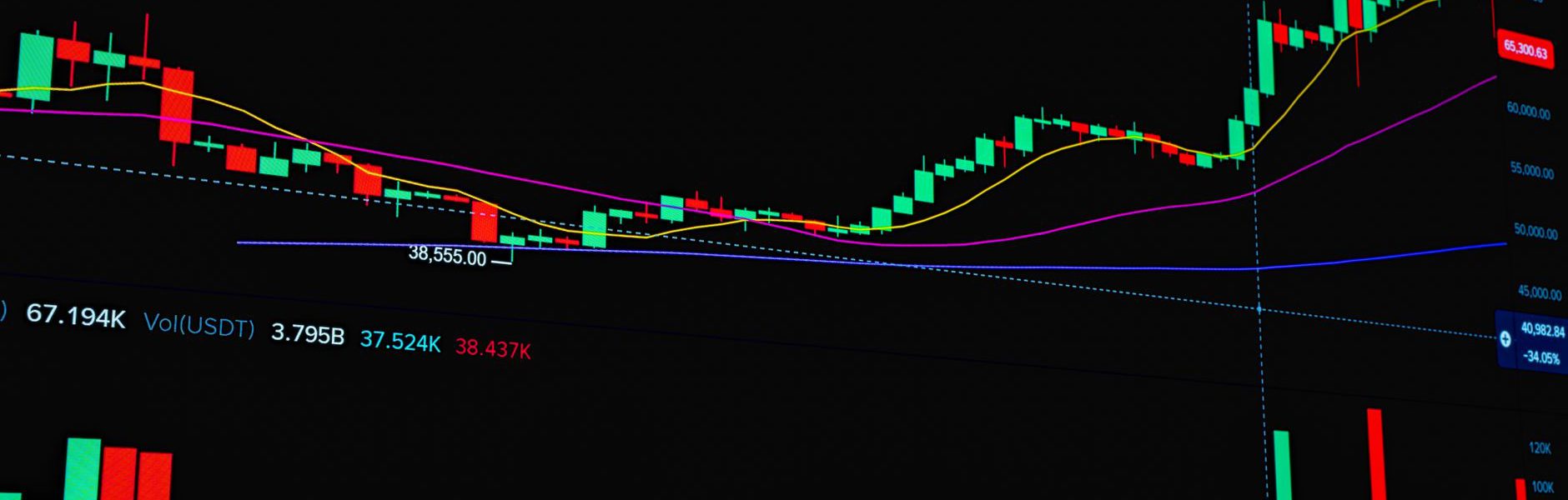

markets falling today has raised alarms among investors as the Sensex slumps 700 points and Nifty drops below 23,000. Understanding the reasons behind this trend is crucial for making informed decisions.
Understanding the Current Market Trends
Today, financial analysts are closely monitoring the fluctuations as markets are falling today, with significant declines observed across major indices. Several factors have contributed to this downturn, reflecting broader economic concerns.
Firstly, rising inflation rates have sparked fears among investors. As consumer prices continue to soar, central banks may be prompted to implement tighter monetary policies, which could hinder economic growth.
Secondly, geopolitical tensions have escalated, causing uncertainty in global markets. Investors are reacting to news that suggests potential conflicts could disrupt trade and economic stability, leading to a sell-off in stocks.
Lastly, earnings reports from key companies have underwhelmed analysts’ expectations. Many firms have reported lower-than-anticipated profits, raising doubts about their future performance and the overall health of the economy.
As a result of these combined factors, market sentiment has shifted, resulting in a significant dip. The Sensex has slumped 700 points, while the Nifty has cracked below the 23,000 mark, underscoring the severity of the current situation.
Investors are advised to remain vigilant and consider their strategies in light of these developments, as the economic landscape continues to evolve.
Key Factors Behind the Market Decline
The recent downturn in global financial markets has raised concerns among investors, leading to significant sell-offs and uncertainty. Here are the key factors behind the market decline:
- Economic Indicators: Recent reports show a slowdown in economic growth, with key indicators such as GDP and employment rates falling short of expectations. This has contributed to fears of a potential recession.
- Inflation Pressures: Persistent inflation continues to be a concern, as rising costs for goods and services erode consumer purchasing power. Central banks are responding by tightening monetary policy, which can negatively impact market performance.
- Geopolitical Tensions: Ongoing geopolitical uncertainties, including trade disputes and conflicts, have created an environment of instability. Investors are reacting by pulling back from riskier assets, further exacerbating the situation.
- Corporate Earnings Reports: With earnings season underway, many companies have released disappointing forecasts, prompting concerns about future profitability. This trend has led to a downward adjustment in stock prices.
As a result of these developments, markets are falling today, leaving investors to navigate a challenging landscape filled with volatility and risk.
Expert Opinions on Market Predictions
As markets falling today creates a ripple effect across various sectors, experts weigh in on the potential implications. Analysts from leading financial firms have provided insights into why this downturn may not be as transient as previous fluctuations.
According to John Stevens, a market analyst at Wealth Management Group, “The decline we are witnessing is primarily driven by rising inflation concerns and tightening monetary policies. Investors are reacting to the reality that higher interest rates could stifle economic growth.”
Additionally, Maria Lopez, chief economist at Global Finance, emphasizes the impact of geopolitical tensions on market stability. “The uncertainty caused by international conflicts has led to a more cautious investment climate, further contributing to markets falling today,” she stated.
In contrast, David Kim, a veteran trader, remains optimistic. He suggests that while the current environment is challenging, it also presents opportunities for savvy investors. “Market corrections often pave the way for stronger rebounds. Keeping a long-term perspective is crucial,” he added.
As analysts continue to evaluate the market landscape, it remains clear that understanding the underlying factors is essential for navigating these turbulent times.
How Investors Should Respond to Market Changes
As markets are falling today, investors are faced with critical decisions regarding their portfolios. In times of volatility, it is essential to maintain a clear strategy rather than reacting impulsively to the fluctuations.
Here are some strategies that investors might consider:
- Stay Informed: Keeping abreast of market news can help investors understand the driving factors behind the decline. Knowledge empowers better decision-making.
- Diversification: Spreading investments across various asset classes can mitigate risks. A well-diversified portfolio may help cushion against market downturns.
- Avoid Panic Selling: It can be tempting to sell off assets during a downturn. However, panic selling often leads to losses. Investors should consider their long-term goals instead.
- Look for Opportunities: Market declines can present buying opportunities for undervalued stocks. Investors should assess whether current prices reflect the true value of the companies.
Ultimately, maintaining a disciplined approach is crucial. Investors should evaluate their strategies calmly and avoid hasty decisions in response to markets falling today.
Future Outlook for Indian Stock Markets
The future outlook for Indian stock markets appears uncertain as markets falling today reflect a broader trend of volatility. Analysts suggest that several factors could influence the trajectory of the markets in the coming weeks.
- Global Economic Conditions: The performance of international markets will play a crucial role. If global indices continue to face pressure, Indian stocks may follow suit, leading to further declines.
- Domestic Factors: Economic indicators such as inflation rates and GDP growth are critical. Any unfavorable reports could exacerbate the current situation, causing more investors to pull back.
- Policy Changes: The government’s fiscal and monetary policies will be closely monitored. Any unexpected changes could either stabilize or destabilize market sentiments.
- Investor Sentiment: As fear and uncertainty rise among investors, market psychology can lead to further sell-offs. Increased caution may keep the markets in a downward spiral.
In conclusion, markets falling today raises questions about the sustainability of recovery efforts. Investors are advised to remain vigilant and adapt their strategies according to the evolving landscape. Staying informed will be key in navigating through this turbulent period.
Analysts suggest that the primary catalyst for the markets falling today is the unexpected rise in inflation rates. Many investors are concerned that this trend could lead to tighter monetary policy, further contributing to the markets falling today.
Photo by Rafael Minguet Delgado on Pexels
Where this came from
Related stories