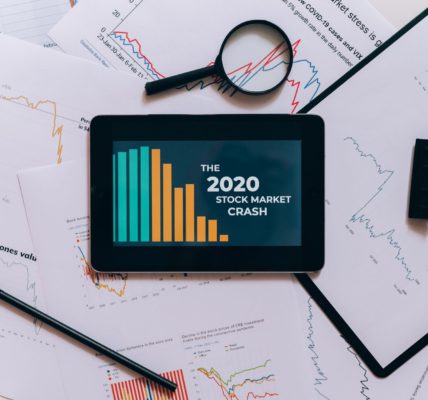

Sensex Nifty drop has been observed in early trade today, reflecting market concerns over escalating tensions between the US and Iran.
Market Overview
In a turbulent start to the trading day, the Indian stock market witnessed a significant decline, with the Sensex and Nifty both slipping amid rising geopolitical tensions. The renewed conflict between the US and Iran has led to fears of instability, prompting investors to reevaluate their positions in the market.
As of the latest reports, the Sensex was down by over 400 points, while the Nifty experienced a similar drop, falling below the 18,000 mark. The downturn is attributed to a combination of external pressures and internal market sentiments.
Market analysts are expressing concerns about the potential impacts of these global tensions on economic growth and investor confidence. They emphasize that the Sensex Nifty drop reflects not just local market dynamics but also the broader implications of international relations on financial markets.
Traders are advised to remain cautious as the situation unfolds, keeping an eye on key support levels. The volatility seen in early trading is expected to continue as news develops. Key sectors, including energy and financials, are particularly sensitive to these shifts, and investors are urged to reconsider their strategies in light of the current environment.
Overall, the outlook appears uncertain, and many are watching closely to see how the markets will respond in the coming days.
Impact of US-Iran Tensions
The ongoing tensions between the United States and Iran have significantly impacted global markets, leading to a notable decline in the Indian stock indices. Investors are reacting to the uncertainty surrounding potential geopolitical conflicts, which has added to the existing market volatility. As a result, the Sensex and Nifty have experienced a sharp drop in early trade, reflecting a broader trend seen across international exchanges.
Market analysts suggest that the heightened tensions may lead to several economic repercussions, including:
- Increased Volatility: The fear of escalation in conflict can lead to unpredictable market movements, causing investors to adopt a more cautious approach.
- Impact on Oil Prices: Any disruption in oil supply chains could lead to higher crude prices, which may further strain the Indian economy and contribute to inflationary pressures.
- Foreign Investment Hesitancy: Increased geopolitical risks may deter foreign investors from entering the Indian market, leading to decreased capital inflow.
- Sector-Specific Declines: Industries such as transportation and energy may witness more pronounced declines due to their sensitivity to oil price fluctuations and global trade dynamics.
As the situation unfolds, market participants are urged to stay informed and consider the broader implications of these geopolitical tensions on the Sensex and Nifty drop.
Investor Reactions
Investor reactions to the recent drop in the Sensex and Nifty have been marked by a mix of concern and cautious optimism. As the markets opened lower, many traders expressed their anxieties regarding the ongoing geopolitical tensions, particularly those between the US and Iran, which have historically influenced market stability.
In response to the fluctuations, investors have taken to social media platforms and trading forums to share their sentiments. Some have voiced their fears of a prolonged downturn, while others are looking for potential buying opportunities in the midst of this volatility.
Among the key observations from investors:
- Market Sentiment: Many believe that this drop could lead to further declines if tensions escalate, urging caution.
- Long-Term Views: Some investors are advocating for a long-term perspective, suggesting that dips in the market may present opportunities for strategic investments.
- Diversification Strategies: A number of financial advisors are recommending diversification as a way to mitigate risks during such uncertain times.
Overall, the Sensex Nifty drop has left many investors reassessing their portfolios and strategies, highlighting the delicate balance between risk and reward in the current market climate.
Historical Context of Tensions
The historical context of tensions in global politics has often influenced market dynamics, particularly in India. The Sensex and Nifty drop observed in recent days can be traced back to various geopolitical events that have created uncertainty among investors.
For instance, the ongoing US-Iran tensions have historically had ramifications on international oil prices, which in turn affect the Indian economy. As a key importer of oil, India is particularly vulnerable to fluctuations in crude prices driven by geopolitical unrest. This was evident during the 2018 US withdrawal from the Iran nuclear deal, which led to a significant spike in oil prices and negatively impacted the stock market.
Moreover, past incidents, such as the Gulf War and the Arab Spring, have also resulted in market instability. Investors tend to react swiftly to news that may signal potential escalations in conflict, leading to sharp sell-offs in equities.
In light of these historical events, the recent Sensex Nifty drop can be understood as a response to investors reassessing their portfolios amidst fears of a wider conflict. The interconnectedness of global markets means that concerns in one region can reverberate through others, creating a cycle of volatility that challenges even the most resilient economies.
As tensions continue to unfold, market observers remain cautious about future trends and their implications on investment strategies.
Future Market Predictions
Analysts are closely monitoring the ongoing situation as the Sensex and Nifty drop continues to dominate financial news. With the current geopolitical climate, particularly the renewed US-Iran tensions, market predictions are becoming increasingly murky. Experts believe that if tensions escalate further, the markets could face additional volatility.
Several factors are influencing future market predictions:
- Global Economic Conditions: Economic indicators from major economies, especially the US, will play a critical role in shaping investor sentiment.
- Domestic Policy Responses: The Indian government’s response to both internal and external challenges may affect market stability.
- Corporate Earnings Reports: Upcoming quarterly earnings will provide insight into how companies are coping with the current economic environment.
- Investor Sentiment: Market reactions to news developments will heavily influence trading patterns in the near future.
Furthermore, analysts suggest that diversification remains key for investors looking to mitigate risks associated with market fluctuations. As tensions persist, investors may need to brace themselves for potential downturns and consider adjusting their portfolios accordingly.
Overall, while the Sensex Nifty drop raises concerns, it also presents opportunities for informed investors to reassess their strategies in these unpredictable times.
Sector Performance Analysis
The recent performance of various sectors reveals a stark contrast as the Sensex and Nifty drop amid escalating tensions between the US and Iran. Investors are increasingly wary, leading to a significant sell-off across multiple industries.
Key sectors affected include:
- Financial Services: The financial sector has seen a decline, as banks and non-banking financial companies face uncertainty in market conditions. The drop in stock values reflects investor apprehensions regarding economic stability.
- Automobile: The automobile industry is struggling with reduced demand forecasts, resulting in a significant drop in stock prices. Supply chain disruptions, exacerbated by geopolitical tensions, are further complicating recovery efforts.
- Energy: The energy sector, particularly oil and gas, is witnessing volatility. Fluctuating crude oil prices due to geopolitical conflicts have led to a negative impact on stock performance in this sector.
- Consumer Goods: With rising inflation and changing consumer sentiments, the consumer goods sector is also feeling the pinch. Companies in this space are bracing for lower sales, contributing to the Sensex and Nifty drop.
Overall, the current sector performance underscores the fragile state of the market as investors react to the unfolding international situation, raising concerns about future growth.
Conclusion
In conclusion, the recent drop in the Sensex and Nifty highlights the ongoing volatility in the market, driven largely by external geopolitical factors. The renewed tensions between the US and Iran have created an environment of uncertainty that investors find challenging to navigate. As seen in previous market scenarios, such geopolitical issues often lead to significant fluctuations in stock indices, prompting investors to reassess their strategies.
Market analysts suggest that the current decline could signal a longer-term trend if tensions persist. They point out that investors typically react to such news by shifting their portfolios towards safer assets, leading to a pullback in equities. This behavior has been evident in the recent trading sessions, where sectors like energy and financials have faced the brunt of the sell-off.
Moreover, historical context indicates that markets tend to recover after initial shocks, but the speed and extent of recovery can vary. As investors keep a close eye on developments in US-Iran relations, sentiment may remain fragile for the time being.
Ultimately, the future of the Sensex and Nifty will depend not only on geopolitical developments but also on domestic economic indicators. Investors are advised to stay informed and prepared for potential volatility as the situation evolves.
The recent Sensex Nifty drop has raised concerns among investors, signaling a potential downturn in the market. Analysts suggest that the Sensex Nifty drop could be attributed to rising geopolitical tensions affecting investor confidence.
Photo by Monstera Production on Pexels
References
Related reading
Nvidia results: Worst test for tumultuous AI trade · PowerCompute earnings report shows worst revenue drop · Stocks to Buy for 2027: Best Proven Picks for Investors