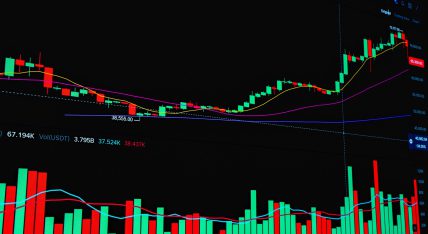
Sensex crash reasons are crucial for understanding the recent market turmoil. The index plummeted by 1,000 points, leading to significant losses in investor wealth.
Understanding the recent Sensex crash
The recent crash of the Sensex has left investors reeling, with the index plummeting by 1,000 points and over Rs 9 lakh crore wiped out from the market. Understanding the reasons behind this dramatic decline is crucial for market participants and analysts alike.
Several factors have contributed to the Sensex crash, leading to widespread uncertainty. Key reasons include:
- Global Economic Concerns: Rising inflation and geopolitical tensions have led to a bearish outlook among global investors.
- Interest Rate Hikes: Anticipation of increased interest rates has dampened market sentiment, making borrowing more expensive.
- Corporate Earnings Disappointments: Lower-than-expected earnings reports from major companies have shaken investor confidence.
- Foreign Institutional Investors (FIIs) Selling: A significant sell-off by FIIs has further exacerbated the market downturn.
- Market Corrections: After a prolonged bullish phase, a correction was inevitable, and the crash has revealed underlying vulnerabilities.
These factors collectively explain the recent Sensex crash reasons and highlight the volatility of the current financial environment.
Key factors behind the market decline
The recent decline in the Sensex has raised concerns among investors, leading to a significant market crash. Several key factors have contributed to this downturn, impacting investor sentiment and market stability.
- Global Economic Slowdown: A slowdown in major economies has led to reduced forecasts and uncertainties, affecting market performance.
- Inflation Concerns: Rising inflation rates have prompted fears of higher interest rates, which can slow down economic growth.
- Geopolitical Tensions: Ongoing geopolitical conflicts have resulted in volatile markets, causing investors to retreat.
- Corporate Earnings Disappointments: A series of underwhelming earnings reports have shaken investor confidence, leading to sell-offs.
- Market Corrections: After a prolonged bull run, a natural correction was expected, but the scale of the decline has surprised many.
These factors collectively contribute to the ongoing Sensex crash, making it crucial for investors to stay informed and vigilant.
Investor reactions to the Nifty drop
In the wake of the recent Sensex crash, investor reactions have been overwhelmingly negative, reflecting a deep sense of panic among market participants. Many investors expressed their concerns about the sharp decline, noting the significant impact on their portfolios.
Some common sentiments shared by investors include:
- Fear of further losses: With the Nifty dropping below 22,300, many investors worry about the potential for a prolonged downturn.
- Loss of confidence: The abrupt market crash has shaken the trust of even seasoned investors, leading to a sell-off.
- Calls for caution: Investors are now advocating for a more cautious approach, urging others to reevaluate their strategies in light of the Sensex crash reasons.
Overall, the mood in the markets remains tense, as participants await further developments that could either stabilize or exacerbate the current situation.
Future outlook for the Indian stock market
The future outlook for the Indian stock market remains uncertain in the wake of the recent Sensex crash, which has left investors on edge. Analysts suggest that understanding the Sensex crash reasons is essential for gauging potential recovery paths.
Several factors could influence the market in the coming months:
- Global Economic Trends: Economic indicators from major economies may impact investor sentiment.
- Monetary Policy Changes: Adjustments in interest rates by the Reserve Bank of India could either stabilize or further destabilize markets.
- Corporate Earnings Reports: Upcoming earnings seasons will be pivotal in assessing the resilience of Indian companies.
- Geopolitical Developments: Any significant geopolitical events may lead to volatility in the stock market.
Investors will need to stay informed and cautious as they navigate this challenging landscape.
Investors are increasingly concerned about the Sensex crash reasons, which include global economic instability and rising inflation. Understanding these Sensex crash reasons can help market participants make informed decisions during turbulent times.
Read the original
Related stories