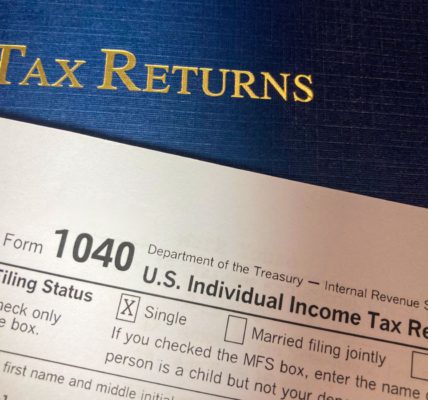

self-remitted taxes growth in Vermont has surged by an impressive 58.3%. This substantial increase positions the state as the third highest in the nation, reflecting a significant trend in personal finance.
Understanding Self-Remitted Taxes
Self-remitted taxes refer to the taxes that individuals and businesses voluntarily report and pay, without the need for direct intervention from tax authorities. This approach allows for a streamlined process where taxpayers take responsibility for their own tax obligations. The recent data from Vermont indicates a significant trend in this area, with a proven 58.3% increase in self-remitted taxes, positioning the state as third nationally in growth.
The rise in self-remitted taxes growth can be attributed to several factors:
- Increased awareness: Taxpayers are becoming more informed about their obligations and the benefits of timely payments.
- Enhanced digital platforms: The availability of online services has simplified the reporting and payment processes.
- Economic factors: A recovering economy may lead to higher earnings, prompting individuals and businesses to remit a greater amount in taxes.
Understanding self-remitted taxes and their implications is crucial for both taxpayers and policymakers. As Vermont leads in this growth, other states may look to emulate its successful strategies.
Vermont’s Tax Growth Explained
Vermont has experienced a remarkable transformation in its tax revenue landscape, evidenced by the recent report highlighting a 58.3% increase in self-remitted taxes. This growth places the state third nationally, indicating a significant shift in how residents are contributing to public finances.
Several factors have contributed to this impressive growth:
- Increased Economic Activity: As the economy rebounds, more individuals and businesses are engaging in taxable activities, leading to higher self-reported revenues.
- Awareness Campaigns: State initiatives aimed at educating taxpayers about compliance and the importance of self-remitted taxes have encouraged more residents to report accurately.
- Technological Advancements: Enhanced online platforms for tax filing have made the process more accessible, resulting in increased participation among taxpayers.
- Policy Changes: Legislative adjustments have broadened the tax base, allowing for more categories of income and activities to be included under self-remitted taxes.
As Vermont continues to foster an environment conducive to economic growth, it is essential to monitor how these factors will influence future trends in self-remitted taxes growth.
National Rankings in Tax Remittance
In the latest analysis of tax remittance trends, Vermont has achieved remarkable recognition, climbing to the 3rd position nationally in self-remitted taxes growth. This significant milestone highlights the state’s robust fiscal management and the proactive measures taken by residents to meet their tax obligations.
The impressive 58.3% increase in self-remitted taxes not only underscores Vermont’s commitment to financial responsibility but also places it ahead of many other states. The following factors contribute to Vermont’s strong standing:
- Engaged Citizenry: Residents are increasingly aware of their tax responsibilities, leading to higher voluntary compliance.
- Effective Outreach: State programs aimed at educating taxpayers about the benefits of self-remitting have proven successful.
- Incentives for Compliance: Vermont has implemented various incentives that encourage timely and accurate tax payments.
This impressive growth in self-remitted taxes not only boosts state revenue but also enhances public services, making Vermont a model for other states aiming to improve their tax remittance systems.
Impact on Personal Finance
The recent surge in self-remitted taxes growth in Vermont has significant implications for personal finance among residents. As the state records an impressive 58.3% increase in self-remitted taxes, individuals must reassess their financial strategies to adapt to this new landscape.
With higher self-remitted taxes, individuals may experience shifts in their tax liabilities, prompting a need for enhanced financial planning. Here are some key considerations for residents:
- Budget Adjustments: As tax rates change, it is crucial for individuals to revisit their budgets to accommodate potential increases in tax payments.
- Investment Strategies: Understanding the implications of self-remitted taxes growth may encourage residents to seek tax-efficient investment options that align with their financial goals.
- Retirement Planning: Higher taxes can affect long-term savings, making it essential for individuals to consider the impact on their retirement plans.
- Consultation with Tax Professionals: Engaging with tax advisors can provide personalized insights and strategies to navigate the evolving tax landscape effectively.
Overall, the growth in self-remitted taxes in Vermont necessitates a proactive approach to personal finance, ensuring that residents can maintain financial stability amidst changing tax dynamics.
Factors Driving Tax Growth
The impressive growth in self-remitted taxes in Vermont can be attributed to several key factors that have contributed to the remarkable 58.3% increase. Understanding these elements is essential for grasping the dynamics of tax remittance in the state.
- Increased Economic Activity: As Vermont’s economy expands, more individuals and businesses are reporting their earnings, leading to a higher volume of self-remitted taxes. The rise in entrepreneurial ventures has significantly contributed to this growth.
- Enhanced Tax Compliance: Initiatives aimed at promoting tax compliance have been successful. Public awareness campaigns and improved online tax filing options have made it easier for residents to remit their taxes accurately and on time.
- Policy Changes: Recent tax reforms in Vermont have encouraged taxpayers to engage in self-remittance. Adjustments to tax rates and credits have incentivized more individuals to report their income, resulting in increased contributions to state revenue.
- Educational Programs: The state has invested in educational programs that inform taxpayers about their responsibilities and the benefits of self-remitting, fostering a culture of compliance and accountability.
These factors collectively underscore the reasons behind the notable self-remitted taxes growth observed in Vermont, setting a precedent for other states to follow.
Future Projections for Vermont
As Vermont experiences a significant 58.3% increase in self-remitted taxes, future projections indicate a continued upward trend in this area. Analysts suggest that as more residents become aware of their tax obligations and the benefits of timely remittance, the growth in self-remitted taxes is likely to accelerate even further.
Key factors that may contribute to this positive trajectory include:
- Enhanced public awareness: Educational campaigns aimed at informing taxpayers about their responsibilities and the advantages of self-remittance can boost compliance.
- Improvements in technology: With the rise of user-friendly online tax platforms, individuals are finding it easier to file and remit their taxes.
- Incentives from the state: Possible tax incentives for early or accurate remittance could encourage residents to participate more actively in the process.
Furthermore, the state’s proactive approach to tax policy reform may solidify Vermont’s position as a leader in self-remitted taxes growth. By fostering a culture of compliance and accountability, Vermont can not only maintain its current growth rates but potentially increase its ranking on a national level.
Comparative Analysis with Other States
The recent surge in self-remitted taxes growth in Vermont, marked by a remarkable 58.3% increase, sets the state apart when compared to trends observed in other states. While many regions struggle to maintain steady tax revenue, Vermont’s case highlights a significant shift in taxpayer behavior.
In examining states with similar demographic and economic factors, Vermont’s growth stands out. For instance, neighboring New Hampshire reported a modest increase of 12%, while Massachusetts showed a mere 8% growth in self-remitted taxes during the same period. This disparity raises questions about the underlying factors contributing to Vermont’s impressive performance.
Several contributing elements may explain this difference:
- Engagement: Vermont taxpayers have increasingly embraced self-remittance options.
- Awareness: Enhanced public awareness campaigns may have boosted compliance rates.
- Economic Growth: A thriving local economy could have encouraged higher reporting of taxable income.
As other states observe Vermont’s self-remitted taxes growth, they may look to implement similar strategies to enhance their own tax revenue systems.
The recent analysis highlights the factors contributing to the self-remitted taxes growth, which has outpaced previous years significantly. As policymakers examine the implications of this self-remitted taxes growth, they are considering adjustments to enhance revenue streams further.
Photo by https://kaboompics.com/ on Pexels
Where this came from
You might also like