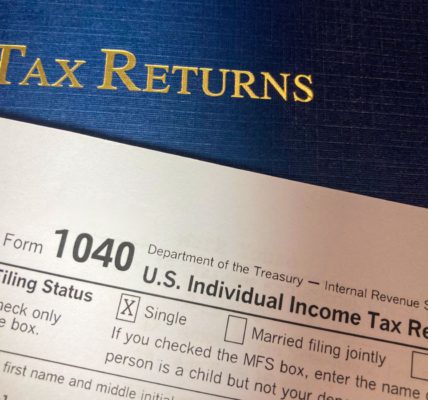

Tax return filing extension rules have been clarified by the FBR, ensuring taxpayers understand the changes. This update is crucial for anyone looking to file their taxes correctly and on time.
Understanding Tax Return Filing Extension
The recent announcement by the Federal Board of Revenue (FBR) has brought clarity to the rules surrounding the tax return filing extension. Understanding these guidelines is crucial for taxpayers who may require additional time to submit their returns.
The FBR has established specific criteria for taxpayers who are eligible for an extension. It is important to consider the following factors:
- Eligibility: Taxpayers must ensure they meet the criteria set forth by the FBR to qualify for an extension.
- Application Process: A formal request for a filing extension must be submitted, detailing the reasons for the delay.
- Deadline: The extension must be requested before the original filing deadline to avoid penalties.
- Documentation: Supporting documents may be required to substantiate the request for an extension.
It is essential for taxpayers to remain informed about these regulations, as failure to comply with the guidelines can lead to fines and additional complications. By understanding the tax return filing extension rules, individuals can better navigate their tax obligations and avoid unnecessary stress during the filing process. For more detailed information, taxpayers are encouraged to consult the official FBR resources or seek professional advice.
Key Changes in Filing Rules
The Federal Board of Revenue (FBR) has announced several key changes to the tax return filing extension rules that taxpayers should be aware of. These updates aim to simplify the process and ensure compliance among all taxpayers.
One of the significant changes is the introduction of a streamlined application process for requesting a tax return filing extension. Taxpayers will now be able to submit their requests online, which is expected to reduce processing times and minimize errors.
Additionally, the FBR has extended the deadline for certain categories of taxpayers. This move allows individuals and businesses more time to prepare their returns without facing penalties. Key categories affected include:
- Small businesses: These entities will have a grace period of an additional month to file their returns.
- Self-employed individuals: They will also benefit from an extended deadline, providing them extra time to gather necessary documentation.
- Taxpayers facing financial hardships: Special considerations will be made for those who can demonstrate genuine difficulty in meeting the original deadlines.
It is crucial for taxpayers to stay informed about these changes to effectively manage their tax obligations and take advantage of the tax return filing extension as needed.
Taxpayer Responsibilities Explained
Taxpayers who opt for a tax return filing extension must understand their responsibilities to avoid penalties and ensure compliance with tax regulations. The Federal Board of Revenue (FBR) emphasizes the importance of adhering to specific guidelines when filing for an extension.
When a taxpayer chooses to file for a tax return filing extension, it is essential to fulfill the following responsibilities:
- File the Extension Request on Time: To benefit from the extension, taxpayers must submit their extension request before the original filing deadline.
- Pay Any Estimated Taxes: If applicable, taxpayers should ensure that any estimated taxes owed are paid by the original deadline to avoid interest and penalties.
- Maintain Accurate Records: Keeping thorough documentation is crucial during the extension period to facilitate accurate filing and minimize the risk of audits.
- Submit the Final Tax Return: Taxpayers must file their complete tax return by the end of the extension period, as failing to do so could result in additional penalties.
- Stay Informed: Taxpayers should stay updated on any changes to tax laws or regulations that may affect their filing process.
By following these guidelines, taxpayers can navigate the extension process smoothly and ensure compliance with FBR regulations.
Important Dates for Tax Filers
As tax season approaches, it is crucial for taxpayers to be aware of important dates related to the tax return filing extension. The Federal Bureau of Revenue (FBR) has outlined specific timelines that all filers should follow to ensure compliance and avoid penalties.
Here are the key dates to remember:
- April 15: This is the standard deadline for filing your tax returns without an extension. If you miss this date, you may face penalties and interest on any unpaid tax.
- October 15: For those who have filed for a tax return filing extension, this is the final deadline to submit your returns. Failing to meet this deadline can result in additional penalties.
- March 15: For partnerships and S corporations, this is the deadline to file tax returns. If an extension is needed, it must be requested by this date.
- Quarterly Payments: Taxpayers who owe estimated taxes should be aware of quarterly due dates, which generally fall on April 15, June 15, September 15, and January 15 of the following year.
Staying informed about these important dates is essential for a smooth tax season and can help avoid unnecessary complications with the FBR.
By USAG-Humphreys via Openverse
Sources
You might also like
RBI MPC Meeting: Clear Insights on Repo Rate Decision · Runwal Enterprises IPO: Is It the Best Investment Opportunity? · Spanish inheritance tax loophole: Is it the worst for families?