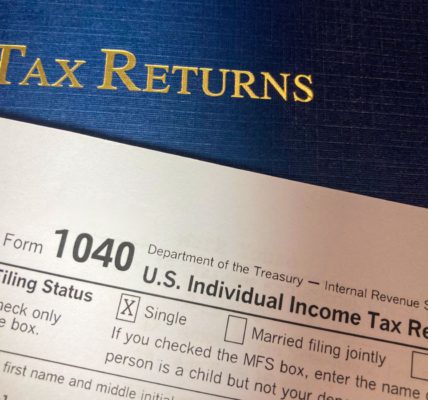
IRS tax form immigration status is now a topic of discussion as new questions are introduced for filers. This change may have significant implications for many individuals.
Understanding the New IRS Tax Form
The Internal Revenue Service (IRS) has introduced a new tax form that aims to clarify the immigration status of filers. This initiative comes amid growing concerns about how immigration status may affect tax liabilities and benefits. Understanding the new IRS tax form is crucial for both citizens and non-citizens who seek to comply with tax regulations.
The updated form includes specific questions regarding the immigration status of the taxpayer, which could potentially influence eligibility for certain credits and deductions. This change is designed to ensure that all filers accurately report their financial information while maintaining transparency in the tax system.
Filers will need to provide details about their immigration status, which may raise questions for individuals who are uncertain about how this will impact their tax obligations. Here are some key points to consider:
- Who is affected? Both citizens and non-citizens must be aware of how their immigration status may alter their tax responsibilities.
- Potential implications: Changes in immigration status could affect eligibility for specific tax credits, such as the Earned Income Tax Credit (EITC).
- Compliance requirements: Filers are encouraged to consult with tax professionals to navigate the complexities of the new form.
Ultimately, understanding the new IRS tax form regarding immigration status is vital for ensuring compliance and avoiding any potential issues with the IRS.
What Does the Immigration Status Question Mean?
The introduction of the new IRS tax form has raised questions about how immigration status will impact tax filing. Understanding what the immigration status question means is crucial for all filers. The IRS tax form immigration status inquiry aims to gather data to ensure compliance with federal laws while providing a clearer picture of the taxpayer demographic.
The immigration status question is intended to:
- Enhance transparency: By asking about immigration status, the IRS seeks to identify potential discrepancies in tax filings that could arise from undocumented status.
- Support legal compliance: The IRS aims to ensure that all taxpayers are fulfilling their obligations, regardless of their immigration status.
- Inform policy decisions: Data collected may assist in shaping future immigration and tax policies, fostering a more effective tax system.
It is important to note that the inclusion of this question does not automatically jeopardize the immigration status of filers. The IRS has stated that the information will be kept confidential and used solely for tax purposes. However, it is still essential for individuals to understand their rights and responsibilities when completing the form.
As taxpayers navigate this new requirement, seeking guidance from tax professionals can help clarify any uncertainties regarding how to address the immigration status question effectively.
Who Will Be Affected by This Change?
The recent changes to the IRS tax form are expected to have significant implications for various groups, particularly those with diverse immigration statuses. Understanding who will be affected by this change is crucial for ensuring compliance and protecting personal information.
- Non-citizen residents: Individuals who hold temporary or permanent resident status may find themselves needing to clarify their immigration status on the new IRS tax form. This could raise concerns about privacy and the potential for information sharing with immigration authorities.
- Undocumented immigrants: Those who do not have legal status in the U.S. may face challenges when filing taxes. The inclusion of immigration status in the IRS tax form could deter them from fulfilling their tax obligations due to fear of repercussions.
- Mixed-status families: Families with members of varying immigration statuses might experience confusion and anxiety regarding how to accurately fill out the IRS tax form. They will need to navigate the complexities of the new requirement while ensuring they comply with tax laws.
- Tax professionals: Accountants and tax advisors will need to stay informed about the implications of this IRS tax form change. They must guide their clients through the process while addressing any concerns related to immigration status and tax filing.
Overall, it is crucial for affected individuals to seek assistance and remain informed during this transition to avoid potential pitfalls.
How to Prepare for the New Tax Filing Requirements
As the new tax filing requirements approach, it is essential to prepare adequately to ensure that your IRS tax form reflects your immigration status accurately. Here are some steps to consider:
- Gather Documentation: Collect all necessary documents that prove your immigration status. This may include visas, green cards, or any official immigration paperwork.
- Understand the Questions: Review the new questions on the IRS tax form related to immigration status. Familiarize yourself with how to answer them based on your situation.
- Consult a Tax Professional: If you have concerns about how your immigration status may impact your tax obligations, consider seeking advice from a tax professional who is knowledgeable about immigration and tax law.
- Stay Informed: Keep up to date with any changes to IRS regulations that may impact your filing. The IRS website is a reliable resource for the latest information.
- Plan Ahead: Don’t wait until the last minute to file your taxes. Start preparing your IRS tax form early to avoid any last-minute issues.
By taking these steps, you can approach the new tax filing requirements with confidence, ensuring that your immigration status is safe and clear in the eyes of the IRS.
Implications for Immigrants Filing Taxes
The introduction of the new IRS tax form has significant implications for immigrants filing taxes. The requirement to disclose immigration status could lead to increased anxiety and uncertainty among many individuals who may not fully understand how this information will be used.
One of the primary concerns is the potential for the information provided on the IRS tax form to be shared with other government agencies. Immigrants, especially those without legal status, may fear that disclosing their immigration status could expose them to risks, including deportation or other legal repercussions.
Moreover, the implications extend beyond individual concerns. Community organizations and tax professionals have expressed worries that this requirement may discourage immigrants from filing their taxes. Many immigrants contribute significantly to the economy, and reducing their participation in the tax system could have broader financial consequences.
It is essential for immigrants to be aware of their rights when it comes to the IRS tax form. They should understand that tax filing is a legal obligation that can lead to benefits, including access to refunds and credits.
Ultimately, clarity around the use of immigration status information is crucial for ensuring that immigrants feel safe and secure while fulfilling their tax obligations. Open communication and guidance from tax professionals can help demystify these new requirements and alleviate fears among the immigrant community.
Expert Opinions on the New IRS Question
Experts in tax law and immigration policy have weighed in on the recent changes to the IRS tax form, specifically regarding the new question on immigration status. Many believe this requirement could have far-reaching implications for both filers and the IRS.
Dr. Maria Gonzalez, a tax law professor at a prominent university, notes, “The introduction of a question about immigration status on the IRS tax form raises significant concerns for many individuals. It’s essential for filers to understand how their immigration status may affect their tax obligations.”
Several attorneys have expressed that this new requirement could potentially discourage immigrants from filing their taxes altogether. “Fear of repercussions may lead to lower compliance rates among immigrant populations,” stated James Lee, an immigration attorney. “This can create a cycle of distrust between immigrants and the government.”
Additionally, some experts argue that the IRS tax form should prioritize clarity and support for all taxpayers, regardless of their immigration status. Linda Ramirez, a tax consultant, emphasizes, “This question should not create barriers for immigrants who contribute significantly to the economy. We need to ensure that the IRS tax form remains accessible to everyone.”
As the deadline approaches, it is crucial for immigrants to stay informed and understand how their immigration status may influence their tax filing processes.
Tips for Navigating Tax Filing This Year
Navigating the complexities of tax filing can be daunting, especially with the introduction of new questions regarding immigration status on IRS tax forms. Here are some tips to help you through the process this year:
- Understand the New Questions: Familiarize yourself with the immigration status question on the IRS tax form. Knowing what information is required can alleviate anxiety during the filing process.
- Gather Necessary Documentation: Collect all relevant documents concerning your immigration status, such as visas, green cards, or other identification. This information is crucial for accurate reporting.
- Consult a Tax Professional: If you are unsure about how your immigration status may affect your taxes, consider reaching out to a tax professional who specializes in this area. Their expertise can provide peace of mind.
- Stay Informed: Keep up to date with any changes from the IRS regarding tax filing requirements and immigration status inquiries. The tax landscape can shift, and being informed can save you time and effort.
- Utilize Online Resources: Websites and forums dedicated to tax issues can offer support and guidance. Many organizations provide resources for immigrants navigating tax forms.
By following these tips, you can approach your tax filing confidently, ensuring that your IRS tax form and immigration status are handled appropriately.
Conclusion and Next Steps for Filers
In conclusion, navigating the new IRS tax form that includes a question about immigration status can seem daunting for many filers. However, understanding the implications and preparing accordingly can make the process smoother. It is crucial for individuals to know that their immigration status will not be shared with other government agencies, ensuring that personal information remains confidential.
Filers should take the following next steps to ensure compliance and peace of mind:
- Gather Documentation: Collect all necessary documents related to your immigration status and tax filings to ensure accuracy on the new IRS tax form.
- Consult Professionals: Seek guidance from tax professionals or immigration attorneys who can provide tailored advice based on your situation.
- Stay Informed: Keep up-to-date with IRS announcements and changes regarding the tax form to ensure you fully understand your obligations.
- Utilize Resources: Access resources available through community organizations and nonprofit groups that assist immigrants with tax-related questions.
- Be Proactive: Take action early in the tax season to avoid last-minute stress and ensure all documentation is complete and accurate.
By following these steps, filers can confidently approach the new IRS tax form with a clear understanding of their immigration status and its implications, ensuring a smoother tax filing experience this year.
Understanding how the IRS tax form immigration status affects your tax obligations is crucial for many individuals navigating their residency in the United States. It’s essential to ensure that your IRS tax form immigration status is accurately represented to avoid any potential complications with your tax filings.
Where this came from
You might also like
Nike Brand Loss: What Went Wrong With Their Swoosh? · Sutureless Peripheral Nerve Repair: Proven Acquisition Success · Commercial LPG price increase: Is it worth the cost now?